Picking a stove or fireplace usually starts with one question: what will it burn? The answer shapes how the heat feels, how much work it takes and what you pay to run it. Here is a plain look at the four fuels we sell, so you can walk into the showroom with a good idea of where you are headed.
The Quick Comparison
| Fuel | Heat | Upkeep | What it burns |
|---|---|---|---|
| Wood | Strong, radiant heat that keeps going when the power is out | Loading wood, emptying ash, yearly chimney sweep | Cordwood you buy or cut |
| Gas | Steady heat at the push of a button or on a thermostat | A yearly service check | Natural gas or propane |
| Pellet | Even, thermostat-controlled heat. Needs electricity | Filling the hopper, regular cleaning, yearly service | Bagged wood pellets |
| Electric | Plug-in or hardwired heat with no venting needed | Very little. No ash and no chimney sweep | Electricity |
Wood: Real Fire, Real Heat
A wood stove gives you strong, radiant heat that you feel across the room. It also keeps working when the power goes out, which matters if you live outside town or just like knowing you have a backup.
The trade-off is the work. You load the wood, empty the ash and have the chimney swept every year. You also need a place to buy or store cordwood, or a way to cut your own.
A good fit if: you enjoy the routine of a fire, want heat that does not depend on the grid and have room to store wood.
Gas: Turn It On and Enjoy It
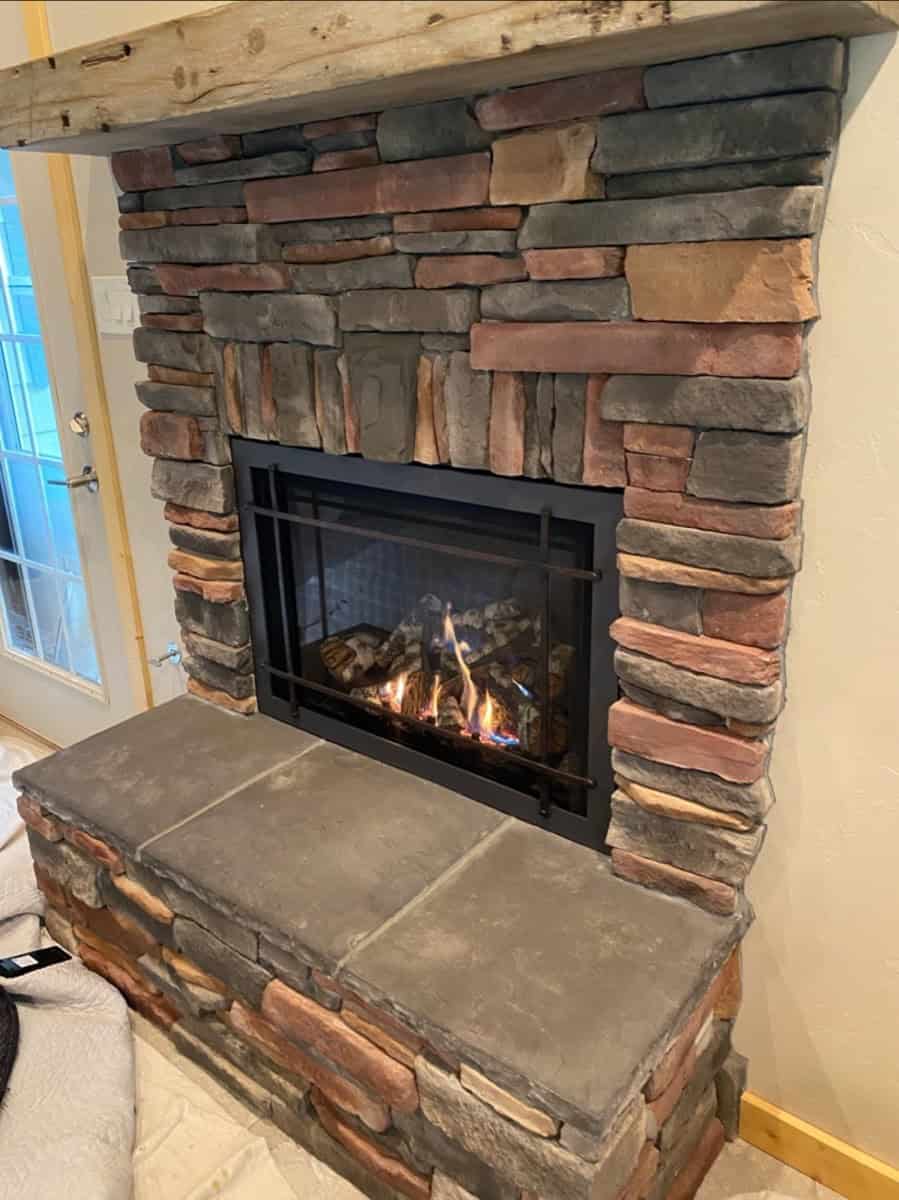
Gas is the easy one. Press a button or set the thermostat and you have steady heat. There is no wood to haul and no ash to clean up.
Gas needs a yearly service check, and it runs on natural gas or propane, so it helps to know which one your home has or can have. We can talk through your setup when you visit.
A good fit if: you want a fire without the chores, or you want heat on a schedule.
Pellet: Even Heat, Less Hauling
Pellet stoves burn bagged wood pellets and hold a steady temperature on a thermostat. The heat is even and easy to control.
Two things to plan for. A pellet stove needs electricity to run, so it will not heat during an outage unless you have backup power. And it asks for regular attention: you fill the hopper, clean it often and have it serviced each year.
A good fit if: you like the look and feel of a wood fire but want steadier, more controlled heat.
Electric: The Low-Fuss Option
Electric units plug in or are hardwired, and they need no venting. That makes them an option for rooms where a chimney or flue is not practical. There is no ash and no chimney sweep, so upkeep is very little.
Electric is a fit for adding a fireplace or insert to a room without a lot of construction. Ask us which electric models we have on the floor right now.
A good fit if: you want the simplest setup and the least maintenance.
Questions to Ask Yourself
- What do I want to do with my hands? Love tending a fire? Look at wood. Want none of it? Look at gas or electric.
- What happens when the power goes out? Wood keeps going. Pellet does not.
- Do I already have a chimney or gas line? What is already in your home can make one fuel much simpler than another.
- How much upkeep am I happy to do? Every fuel needs some care. Electric needs the least. Wood and pellet need the most.
- Is this the main heat or a bonus? The answer affects which size and style makes sense.
Not Sure Yet? Come See Them Side by Side
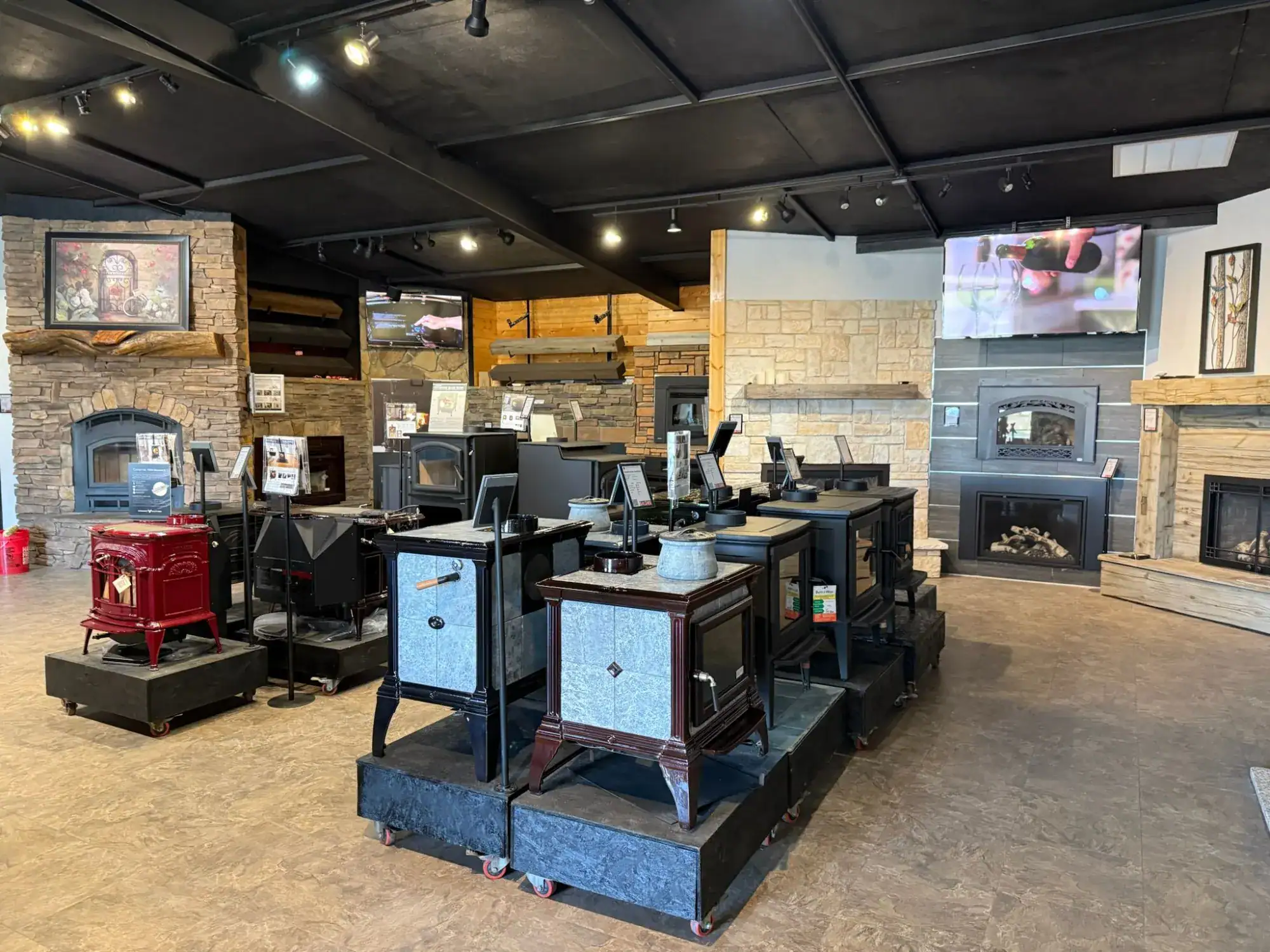
Seeing a wood stove next to a gas fireplace tells you more than any chart. Stop by the showroom at 201 US Hwy 82 in Alamogordo, or call (575) 434-6809 during store hours. We will help you pick the right one for your home, and we install and service what we sell.